
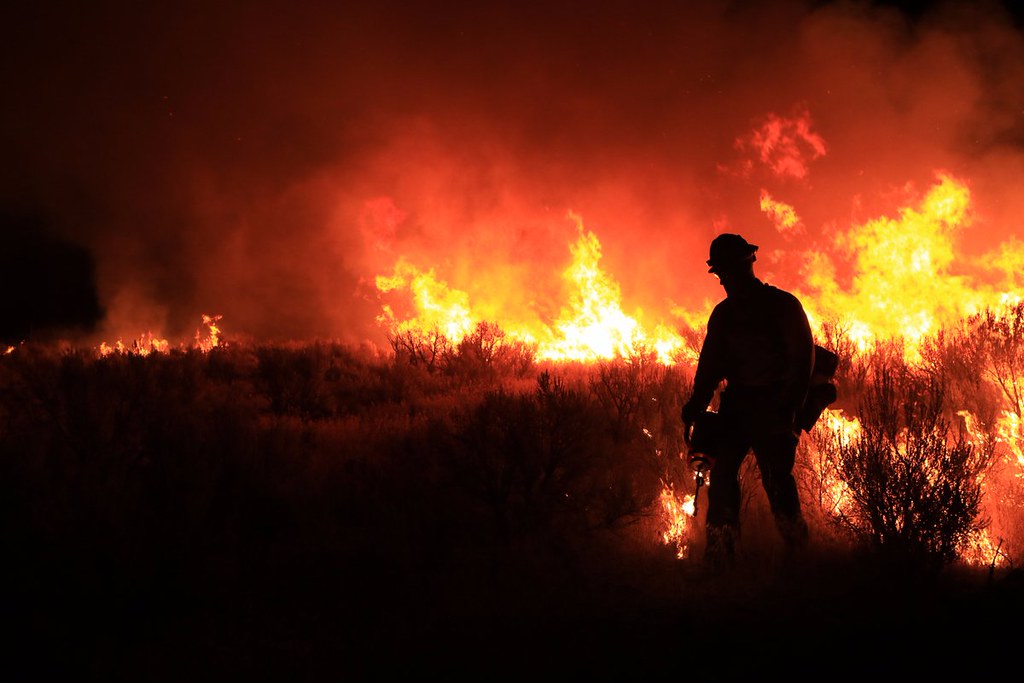
Wildland firefighters in California protect forests, homes, and communities from fast-spreading wildfires. Their job is physically demanding and dangerous, and it has become more important as wildfire seasons grow longer and more intense.
Wildland firefighters are trained to control fires that burn through grasslands, forests, and rural areas. In California, firefighters often work long shifts in extreme heat while carrying heavy equipment. Salary data shows that the average wildland firefighter in California earns about $27 per hour, though pay depends on experience, agency, and location.
Other salary reports show that wildland firefighters in California earn between $30,000 and $100,000 per year, depending on position, overtime, and fire season length. While the pay can be competitive, the work is often seasonal and physically exhausting.
Staffing shortages have become a major issue. Research on America’s wildfire front line shows that many experienced firefighters leave the job due to burnout, physical strain, and inconsistent employment. These shortages can make it harder for fire agencies to respond quickly during large wildfire events.
Wildland firefighting also comes with serious health and safety risks. Medical research has found that firefighters are frequently exposed to smoke, extreme heat, and long working hours, which can lead to injuries and long-term health problems. Firefighting remains one of the most dangerous public service jobs in the country.
Firefighter deaths continue to occur each year. Data from the United States Fire Administration shows that line-of-duty fatalities remain a serious concern, emphasizing the risks wildland firefighters face while protecting lives and property.
The number one cause of death for wildland firefighters is aircraft accidents, which is followed by heart attacks. In the cockpit, pilots and crew face adverse flying conditions including low visibility, turbulence, and rough terrain. On the ground, wildland firefighters face physical demands from long working hours in extreme heat and the weight of the equipment. All of this leads to increased incidences of fatal crashes and heart attacks in the wildland fire fighting environment.