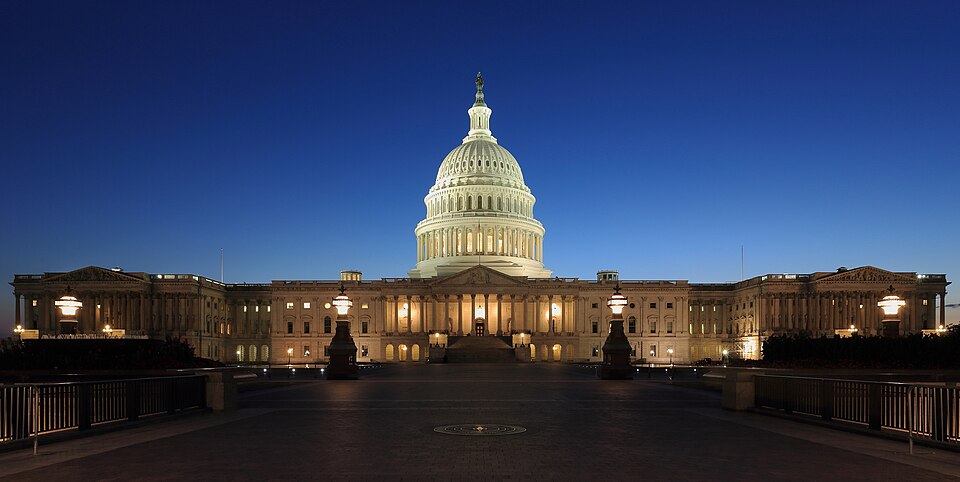
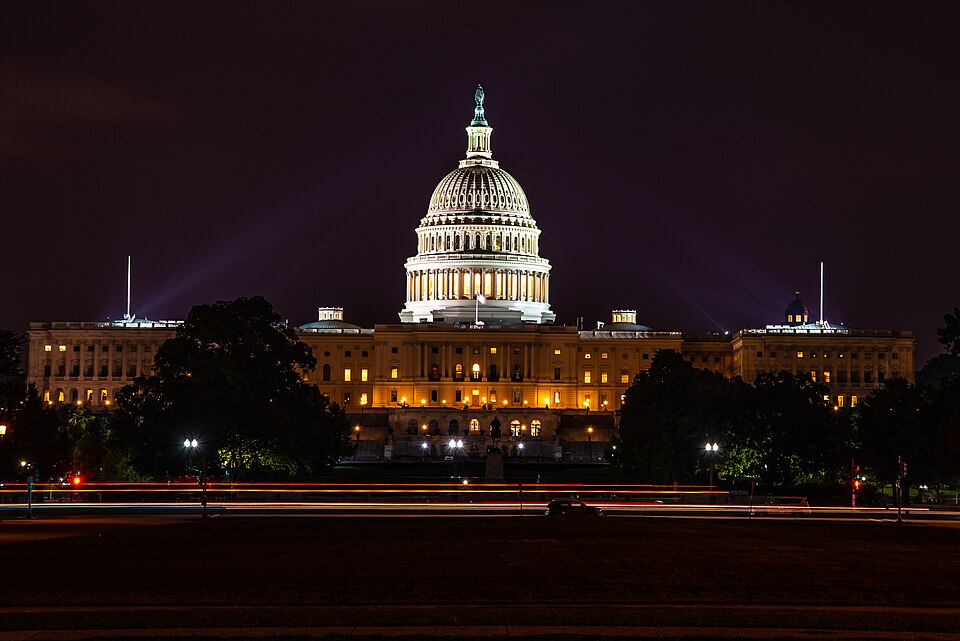
In the late hours of November 11th, the Senate voted to reopen the government after the longest shutdown in U.S. history, approving a spending bill to fund operations until January 30, 2026.
Under the proposed continuing resolution, lawmakers restored full SNAP benefits through September 2026, reversed recent federal layoffs, guaranteed employee pay, and agreed to hold a December vote on Affordable Care Act subsidy extensions.
However, the resolution does not include an immediate extension of the ACA subsidy.
Although the Republicans maintain majorities in the House of Representatives and the Senate, due to the filibuster, the GOP needed bipartisan support to pass the bill, which they did not have until recently.
Senate Minority Leader Chuck Schumer (D-NY) was at the helm of these discussions, attempting to secure ACA subsidy guarantees, even going so far as to center his strategy around maintaining pressure via the shutdown to gain leverage over the GOP.
Republicans maintained their position on ACA subsidies, aiming for a ‘clean’ spending bill without additional policy measures. Republicans argued that attaching the ACA subsidies transformed the CR from a basic funding measure into a broad policy bill, which they opposed.
Democrats continued to advocate for the extension of subsidies, arguing that they are essential to “protecting low-income individuals.”
Many may ask, “What’s the big deal?” over the ACA subsidies.
The subsidies that the Democrats had fought for would’ve kept health premiums at low rates and prices. However, the Republicans did not want to extend the money given to the ACA in an attempt to reopen the government without additional conditions.
As a result, many Americans will see their healthcare premiums double in the coming months, according to a recent CNBC report.
In another report by CNN, they state that, “the amount people will have to pay will more than double, on average, because of the lapsing subsidies and insurers’ rate hikes, according to KFF, a nonpartisan health policy research group.”
Unfortunately, SNAP was not the only thing affected by this historic shutdown. Many airports across the nation experienced flight delays and even cancellations due to air traffic controllers not receiving their pay.
Pay cuts have even extended to our military and other essential federal employees due to the shutdown. Without pay, many had the unpleasant experience of not receiving a paycheck last pay period. ATC was one of those jobs, again contributing to staff shortages.
Throughout the process, the Republicans attempted to fix these problems with their spending bill, emphasizing the need for federal workers to get paid, with Speaker Johnson highlighting the need to “stop playing political games” with people’s livelihoods.
The key to getting the CR passed laid within the Democrats’ hands. To pass the bill, the Republicans needed 60 votes. On November 10th, they finally got their votes with Senators Cortez Masto, Durbin, Fetterman, Hassan, Kaine, King, Rosen, and Shaheen all voting in the affirmative.
However, this came as an unexpected outcome for many, as the resolution offered little to no benefits for the Democrats, despite the efforts and political leverage they had to include appropriations for the ACA.
Aside from healthcare, Democrats did achieve some of their primary goals with the repayment of SNAP nationwide and payment of federal workers.
“After 40 days of uncertainty, I’m profoundly glad to be able to announce that nutrition programs, our veterans, and other critical priorities will have their full year of funding,” stated Senate Majority Leader John Thune (R-SD).
Top Democratic leaders expressed their frustrations immediately. Senator Bernie Sanders (I-VT) and Governor Gavin Newsom (D-CA) were quick to display their disappointment with the party, with Newsom quickly sharing on X the word, “Pathetic.”
This was obviously not the result that Democratic leadership was looking for.
The bill still needs to go to the House of Representatives for final approval, though it is unlikely to fail. The House of Representatives is expected to convene by Wednesday, the 12th, to vote on the bill.
The question now is not whether the bill will pass, but whether Democrats can regain the leverage they lost during the longest shutdown in U.S. history by December.