

On July 16, 2019, Jeffrey Epstein was arrested and held for the second time under suspicion of sex trafficking. Shortly after, on Aug. 10, 2019, Epstein was found dead via suicide in his jail cell.
The question remains, however, why have there been no convictions related to Jeffrey Epstein’s crimes, aside from Ghislaine Maxwell?
For years, the name Jeffrey Epstein has been associated with various allegations, but victims feel as if there has been no justice served regarding the crimes he committed during his life.
Epstein’s case didn’t end with his death in 2019; instead, it was kept behind sealed records and legal disputes among survivors.
Following recent revelations sourced from the disclosure of the Epstein Files under the Epstein Files Transparency Act (EFTA), new information has surfaced in the public record regarding his heinous crimes and prominent individuals potentially involved.
The Epstein Files Transparency Act was introduced by US House Representatives Thomas Massie (R-KY) and Ro Khanna (D-CA) as a bipartisan effort to secure justice for victims.
Thomas Massie is a Republican out of Kentucky’s 4th congressional district. Originally, Massie faced scrutiny from within his own party until the general public advocated for the release of these files.
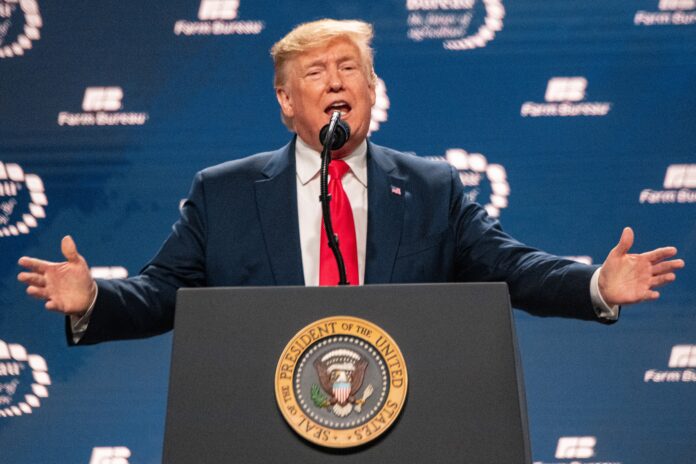
During the government shutdown, President Donald Trump was asked about his thoughts on the files finally being released, and he said that the country should move on to more important matters, like immigration, now that America knows he isn’t tied to it.
Some opponents of the bill argued that it allowed for some victims to get revictimized by releasing their names in the bill.
To combat this, Khanna and Massie explicitly stated in the bill that only victims’ names and faces were to be removed from public records.
Epstein was connected with many high-profile individuals during his life, including former presidents and world leaders, such as Sultan Ahmed bin Sulayem, former President Bill Clinton, and President Donald Trump.
As Epstein reached into the corporate world, he expanded his outreach from CEOs to world leaders and politicians from across the globe.
With supposed deep ties to Leslie Wexner, the CEO of Bath & Body Works, the implications of Epstein’s ties to every facet of America’s social and economic infrastructure tell a very chilling story.
For example, world leaders such as Prince Andrew have been implicated and are under active investigation. Andrew is already under scrutiny from his own family, with his royal titles being stripped.
What often goes unrecognized in the broader public conversation is the unfortunate legal reality that the federal case against Epstein died with him.
In cases like these, prosecutors tend to rely on cooperation from primary sources and primary defendants, such as Epstein, to build cases against additional individuals.
Without Epstein, that leverage disappeared completely.
Furthermore, prosecutors need proof beyond a reasonable doubt that an individual knowingly participated in trafficking or abuse. Unfortunately, association, social proximity, or appearance in flight logs do not meet this criteria.
Even though civil lawsuits have resulted in settlements, civil cases tend to require less proof than a federal case, as they don’t automatically lead to criminal convictions.
In short, the absence of arrests or convictions ultimately reflects evidence limitations and procedural barriers as opposed to an absence of investigation.
Altogether, the main gripe amongst Americans considering Epstein is the government’s inability to handle the files with due diligence, let alone haste.
Senior Preston Wise weighed in on the issue, stating, “The public deserves to know the truth, and prosecutions need to happen. This shouldn’t be a partisan issue.”
Although Jeffrey Epstein is no longer able to stand trial physically, the implications of his actions while he was alive remain relevant. Regardless, the case around Epstein should be handled with care, as evidence holds more weight than speculation.
Epstein himself may be gone, and his case may be closed, but the weight of untried allegations and unheard victims will forever remain.