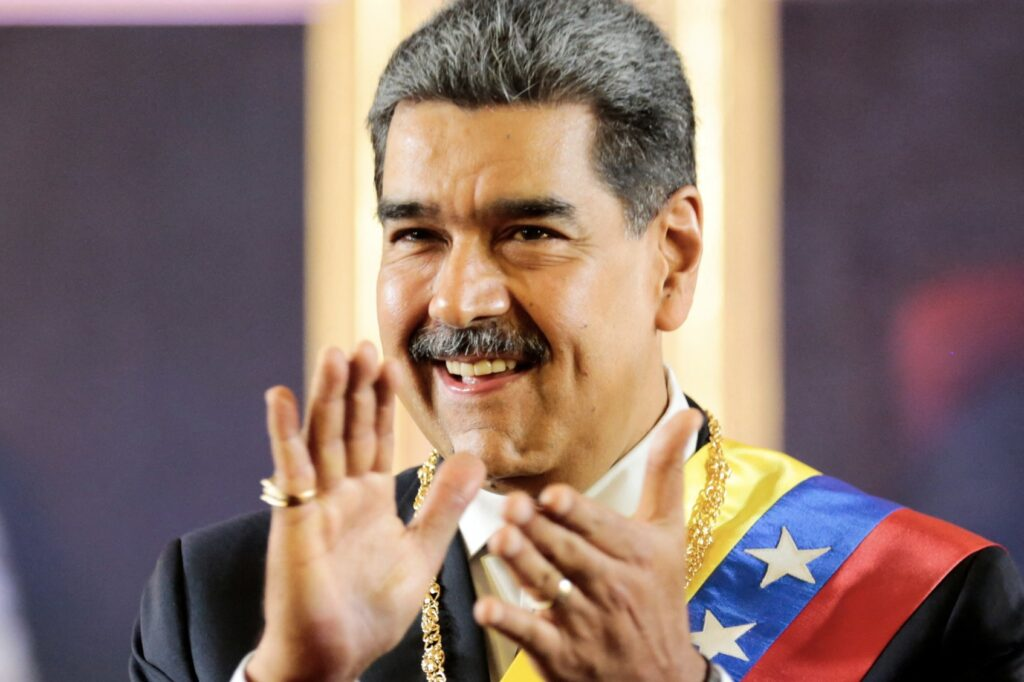
On January 3, 2026, the United States launched a decisive military operation in Venezuela targeting President Nicolás Maduro and his wife, Cilia Flores.
President Donald Trump announced that U.S. forces had carried out “a large-scale strike” in Caracas, seized Maduro and Flores, and flown them out of the country to face U.S. federal charges.
According to an article released by BBC News, the charges being pressed against Maduro were narco-terrorism conspiracy, cocaine importation conspiracy, and weapons offenses.
Maduro and Flores were transported to New York, where they appeared in federal court and pleaded not guilty to the charges. Maduro, in court, maintained his innocence and described his capture as an illegal abduction.
The apprehension of Maduro was dubbed “Operation Absolute Resolve” by U.S. officials. This event involved coordinated military action, including airstrikes, special forces raids, and significant use of aircraft.
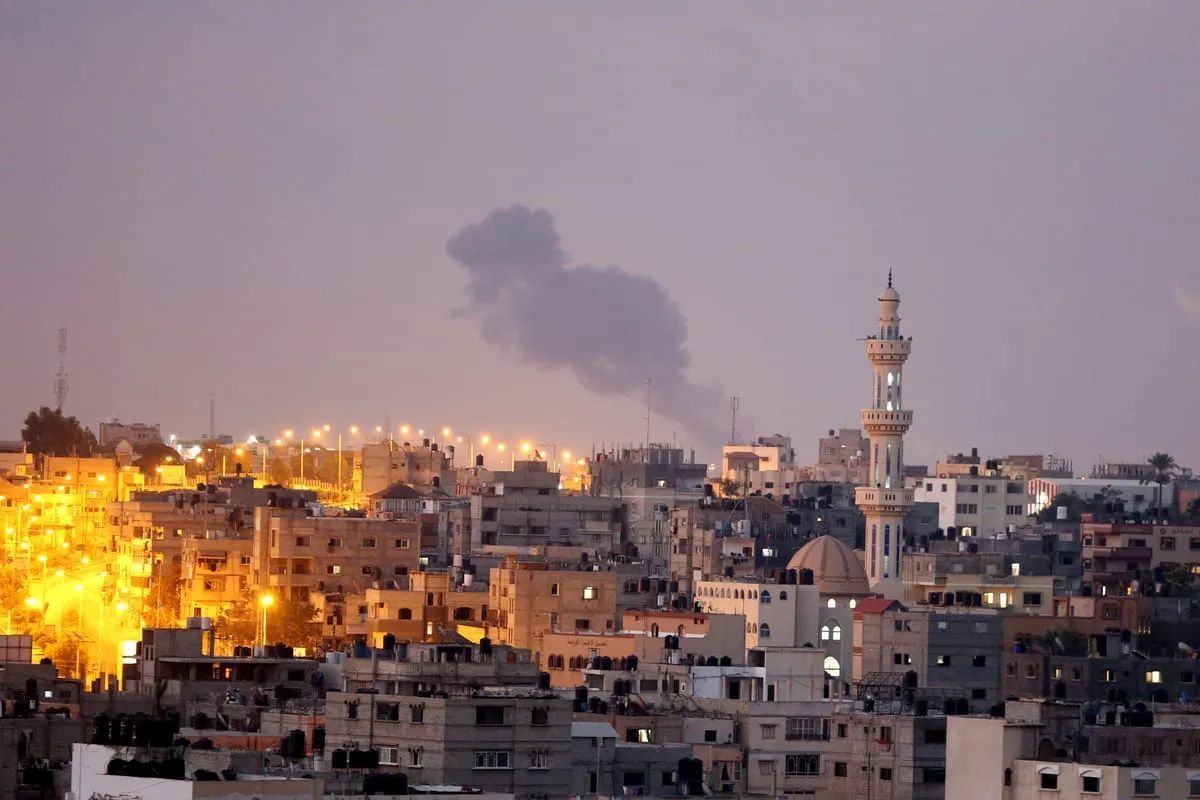
According to a news source, residents of Caracas reported explosions and low-flying aircraft in the early hours of the morning. U.S military planners had closely prepared, reportedly even rehearsing aspects of the extraction on a replica of Maduro’s residence.
The operation was not without cost. Venezuelan officials reported that dozens of security officers and civilians were killed in the assault, and 32 Cuban soldiers allied with Maduro were killed. These deaths prompted a national mourning in Cuba and heightened diplomatic tensions.
Since Maduro has been taken into custody, Vice President Delcy Rodíguez assumed the role of acting president, though her legitimacy is contested domestically and internationally.
The Cuban government has been strong in its condemnation of the U.S. actions. They have denounced the U.S intervention as “imperialist aggression.” Internationally, the response has been sharply critical towards the U.S as well.
Legal scholars have argued that the invasion likely violated international law under Article 2, Section 4 of the “UN Charter.” This prohibits all UN members from the threat or use of force against the territorial integrity or political independence of any state, or in any manner inconsistent with the UN’s purposes.
Post-operation, the United States has taken economic and political control of key Venezuelan assets, notably the first sale of Venezuelan oil under U.S. influence. Washington says it will support reconstruction and benefit Venezuelans.
Formal negotiations between the United States and Venezuelan authorities remain strained. The U.S insists on combating narcotic networks and restoring stability, while the Venezuelan leader and allies call for the restoration of sovereignty and an end to what they characterize as foreign occupation.
While international law, national sovereignty, and geopolitical interests collide, the outcome remains uncertain, with some political parties justifying these events while others condemn them.