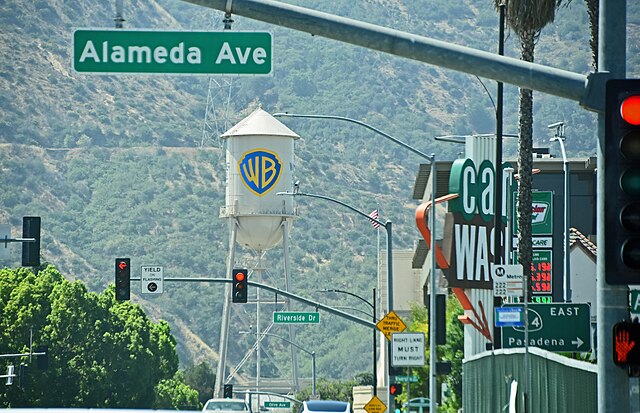
On December 6th, Netflix announced an agreement to purchase Warner Bros. for $82.7 billion. But recently, Paramount stepped in and bid higher than Netflix, offering $108 billion, overtaking Netflix’s offer and starting a bidding war.
Both Netflix and Warner Bros. Discovery stated that if Netflix were to take over, many franchises such as Batman, Harry Potter, The Lord of the Rings, Looney Tunes, DC Comics, and HBO which have films related to those brands.
The deal will be able to value at around $27.75 per shareholder, during that time, Netflix is willing to account for Warner Bros. $10 billion debt.
With Warner Bros. providing a large library of movies, films, and shows, this much content can be a massive hit and increase stocks for Netflix.
Despite Netflix’s plans to seal the deal with Warner Bros., Paramount comes in with a daring proposal that counters Netflix’s offer mere days later. Paramount sets their offer being $30 per shareholder, which values the company to approximately $108 billion.
The deal is able to cover the entire company of Warner Bros. Discovery, including its streaming, studio, cable networks, and new channels.
However, many experts already spotted some problems with Paramount’s offer, since there is a possibility of scrutiny.
“What we are doing will create another scaled, healthy buyer for the creative community and talent, we will put 30 movies a year in theaters exclusively,” CEO and Chairman of Paramount Skydance, David Ellison states.
Paramount criticizes Netflix’s deal being “inferior” and claims that it leaves shareholders exposed to “a protracted multi-jurisdictional regulatory clearance process.”
They further argue that their deal is superior, with their offer being simpler and less dependent on future regulatory approvals.
Ellison is initially backed financially by his father Larry Ellison, who happens to be a billionaire in the tech industry.
Larry Ellison stated to the public that it sparked curiosity among the Warner Bros. Discovery shareholders.
“We believe our offer will create a stronger Hollywood,” he says, promising a smoother path to completion that is more stable in value and is quicker.
The public is at a general consensus, believing that Paramount’s offer is more generous than Netflix’s, providing all cash, a higher per share price, and no reliance on future asset spin offs. On the contrary, Netflix’s offer has potential that can last long, yet could be risky.
To the public, it’s considered a bidding war and says that what’s at stake here can change the history of Hollywood.
If Netflix wins over Warner Bros. Discovery, they will have access and ownership of many beloved franchises in films.
But if Paramount wins, they could gain a large amount of media influence by having many TV news, cable networks, etc.
As the news spread, many voices raised concerns about potential cultural fallouts if a company possesses too much power.
Warner Bros. Discovery has not yet decided to take Paramount’s offer, but it is open until around January 2026. For now, they are still sticking with Netflix’s proposal.
The outcome of this is at high stakes, whether the winner is Netflix or Paramount, this will shape Hollywood forever and most likely be one of the consequential moments in the entertainment industry.