Less football, More music!
On Sunday, February 8, 2026, the biggest football game of the year was played. The only thing more talked about than the actual game is the halftime performance. This year’s headlining artist was Benito Antonio Martínez Ocasio, better known as Bad Bunny, and the opening act was Green Day.
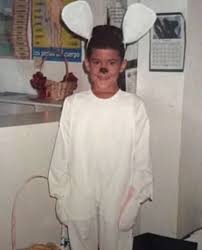
Bad Bunny is a Puerto Rican artist who primarily makes reggaeton music since as early as 2013. His stage name originated from a photo in his childhood where he wore a bunny costume and had a grumpy face, which he thought would be a memorable name.
Bad Bunny goes by and is most commonly referred to by his first name, “Benito” for his acting roles and in other aspects of his life outside of music.
Although many people believe that Benito performing is exciting, acceptable, and even culturally significant for the Latino community, others have been very vocal about their opinions of disapproval.
Some critics, including former President Donald Trump and conservative commentators, have labeled the choice “terrible” and accused the NFL of prioritizing political statements over entertainment. Trump has even said he won’t attend the game and has slammed both Bad Bunny and Green Day, who will open the event.
Much of the backlash has also centered on Benito’s outspoken views. In particular, his criticism of past immigration policies and his choice to perform primarily in Spanish, which some people have framed as divisive. Online debates have even touched on cultural issues ranging from language to gender expression.
A petition also circulated, urging the NFL to replace Bad Bunny with a country artist such as George Strait, arguing that the halftime show should focus on traditional unity rather than cultural change.
Benito’s performance reflects the global and diverse makeup of the NFL’s audience. The league’s decision was made with his massive popularity in mind, and NFL officials have affirmed they will not reconsider the booking.
As the league’s audience becomes more global and diverse, Bad Bunny’s enormous international popularity and cultural impact make him a fitting choice for a stage watched by over 100 million people. Many fans see Bad Bunny’s presence as a milestone in representation.
The day came, February 8, 2026, Bad Bunny delivered what many critics are calling one of the most culturally resonant Super Bowl LX halftime shows in history, using his platform to celebrate identity, diversity, and love in a moment watched by well over 128 million people.
Many people listened to, danced, laughed, and felt the excitement through the screen. But did you truly understand and see the underlying message the performance was trying to convey– “The only thing more powerful than hate is love.”
The performance was all portrayed to be set in Puerto Rico, with different sides of all Puerto Rican culture and scenery throughout.
Traditional imagery from sugar-cane fields to domino games and a recreated Puerto Rican casita framed the performance as an immersive tribute to his homeland’s heritage.
He had many famous Latinos, such as Pedro Pascal, Jessica Alba, Cardi B, Karol G, and Ronald Acuña Jr. He has also credited different artists who paved the way for the music style “reggaeton,” which Bad Bunny performs heavily.
The show also featured Lady Gaga, who brought a salsa-infused version of “Die With a Smile,” blending her sound with Latin rhythms and symbolizing cross-culture celebration. This was to convey the underscored unity through music.
Later, Ricky Marin joined Bad Bunny on “Lo Que Le Pasò in Hawai’i,” linking generations of Latin music. More than just honoring a rich legacy, Ricky Martin, in the song, is pleading for his people and for his culture in Puerto Rico, hoping and encouraging others not let their culture be stripped away.
As dancers carried flags from across North, Central, and South America, Bad Bunny’s message was clear: while divisions may persist, “the only thing more powerful than hate is love,” words that appeared in bold across the stadium screens.
Far more than a concert, Bad Bunny’s halftime performance was a joyful declaration of pride, inclusion, and resilience. A testament to how culture can bridge divisions and amplify love.